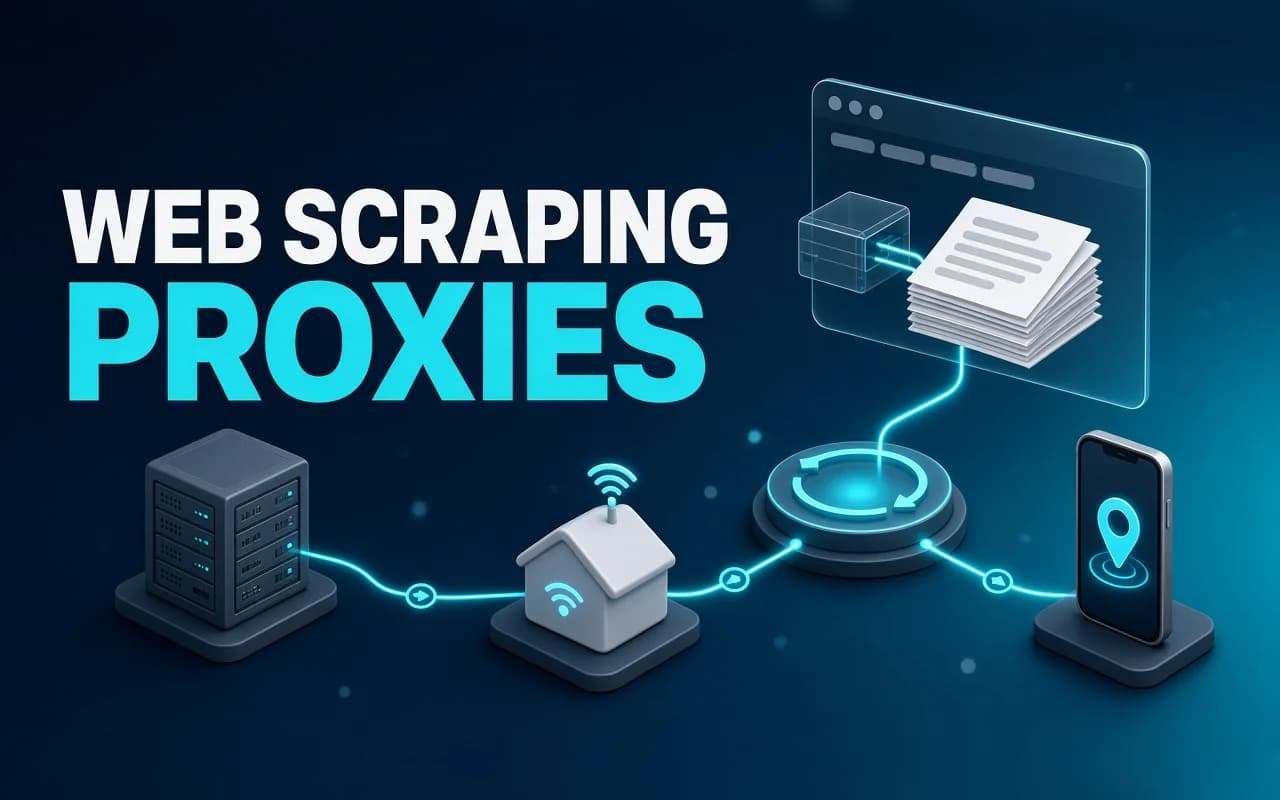
Web Scraping Proxies: Datacenter vs Residential vs Mobile
Datacenter proxies cost under $1 per GB, residential $1.40 to $8. But 1,000 full page loads use about 1.8 GB and the same pages as HTML use 22 MB, so how you fetch decides the bill.
Tag
Every article tagged “Firecrawl” on the Heyperai blog.

Datacenter proxies cost under $1 per GB, residential $1.40 to $8. But 1,000 full page loads use about 1.8 GB and the same pages as HTML use 22 MB, so how you fetch decides the bill.

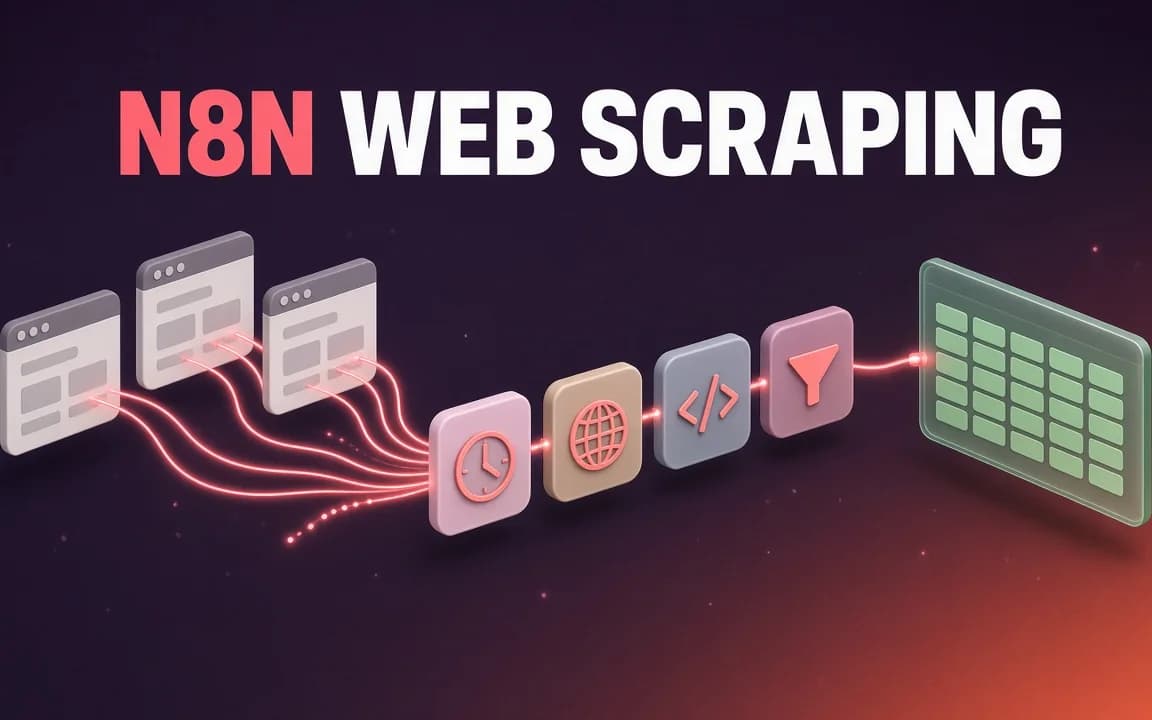
Build an n8n web scraping workflow that runs on a schedule and writes clean rows to Sheets or Supabase. We ran it: 60 rows in 4.3 seconds. Plus the JavaScript trap that returns 'success' with nothing.

Indexing a 500-page site costs under a dollar in embeddings. Here's the Python and n8n build for a RAG chatbot from your website, with real costs and the token check that decides them.

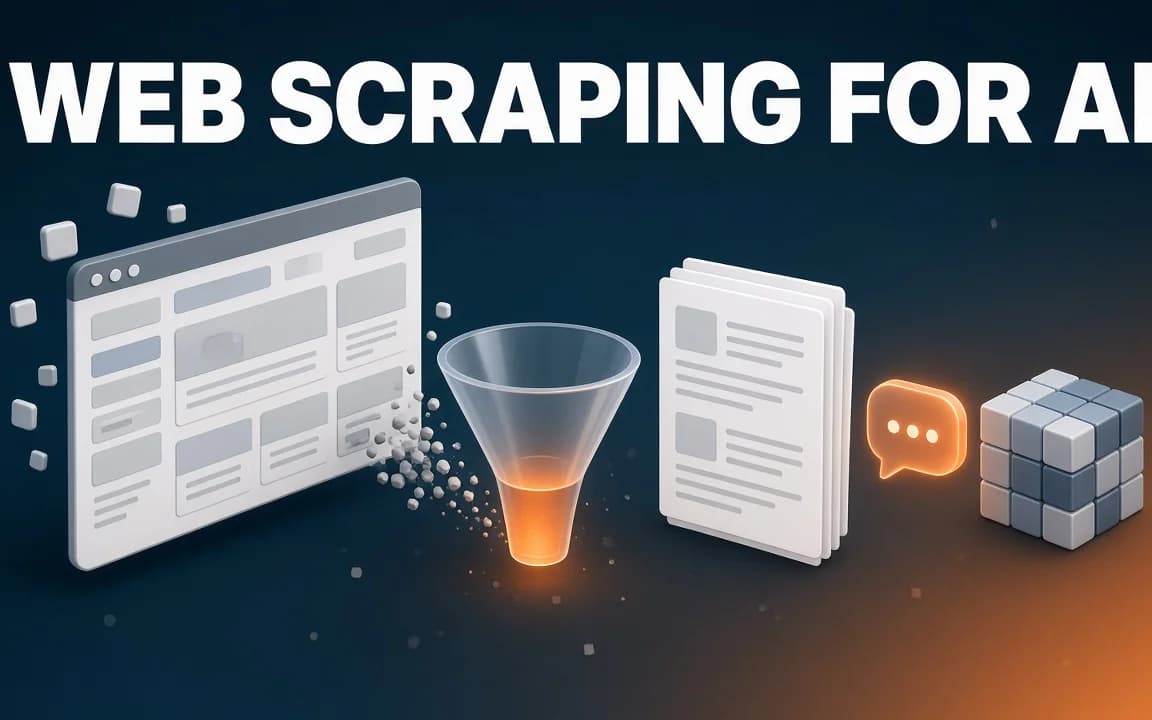
Markdown cut our test pages' tokens by 70 to 79% versus raw HTML. Stripping link URLs cut up to 45% more. Here's the full pipeline for LLM-ready web data, and what it costs.

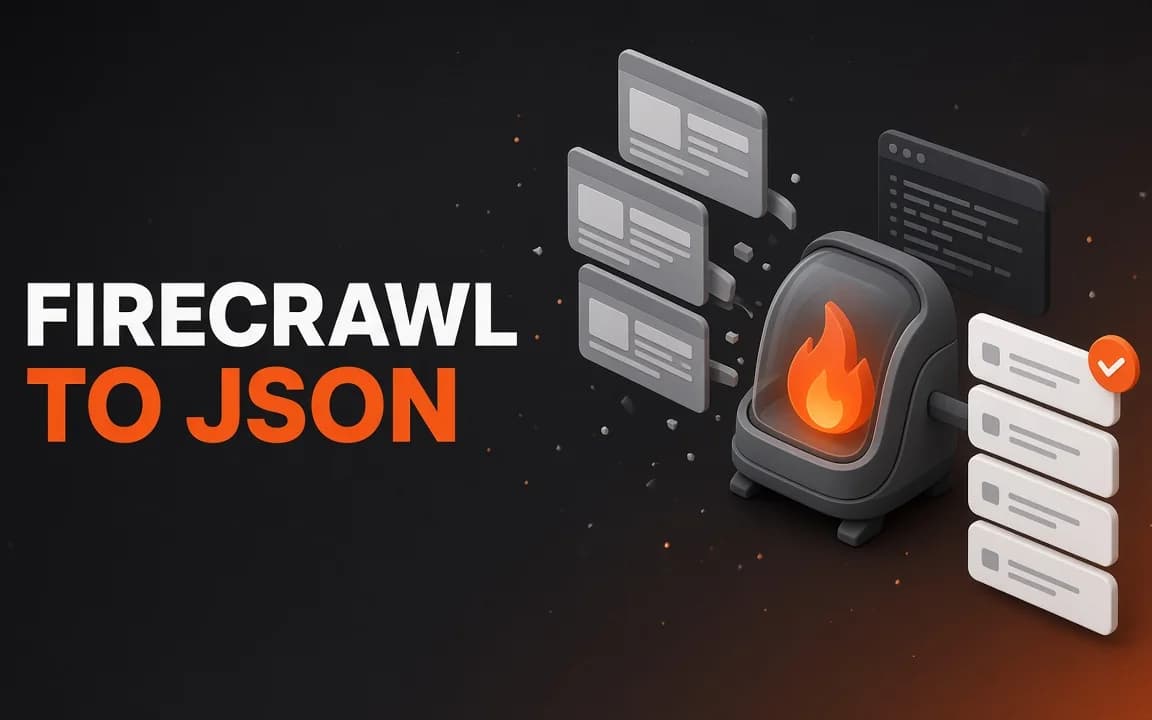
Firecrawl turns a web page into JSON in about ten lines of Python, at 5 credits a page. We ran it: here's the real output, the 404 that came back as a valid record, and the code that catches it.

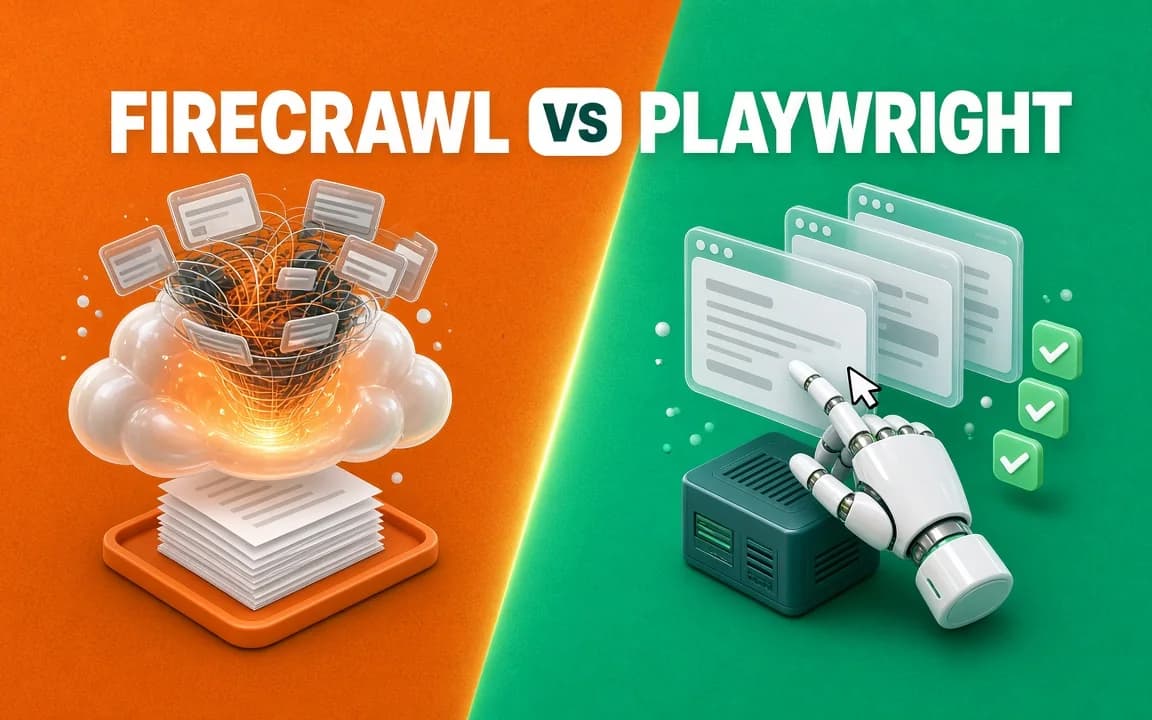
Playwright is free and Firecrawl charges per page, so Playwright wins, right? Not once sites start blocking you. Here's the cost per 1,000 pages on each, and which one fits your scraper.

Your AI agent needs to read the web. Firecrawl turns any page into clean Markdown in one call, but one setting decides if a page costs 0.1 cents or 1.6.

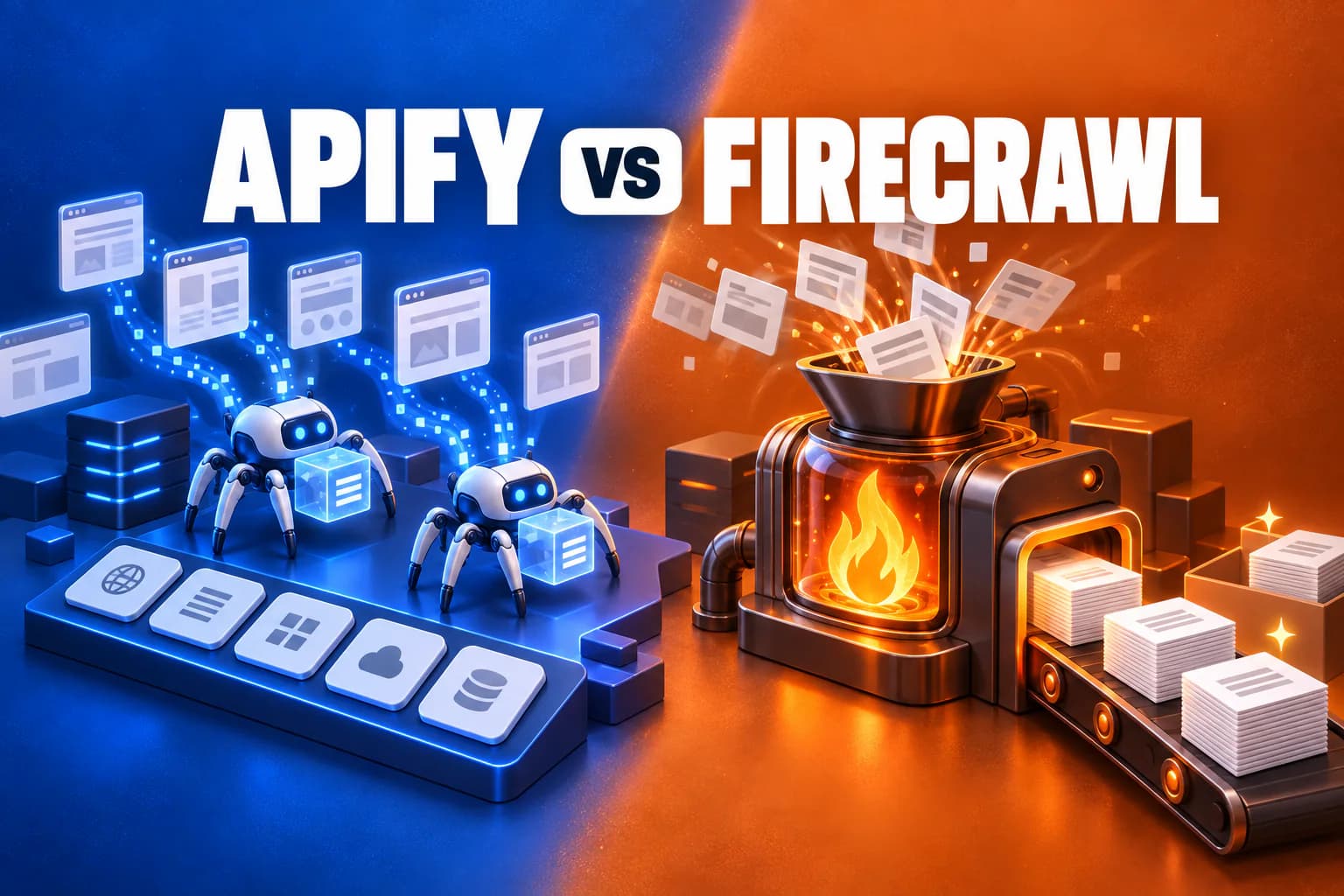
Apify and Firecrawl both get you data off the web, and both are increasingly pitched at AI builders. That is roughly where the similarity ends. Firecrawl is an API that turns any…